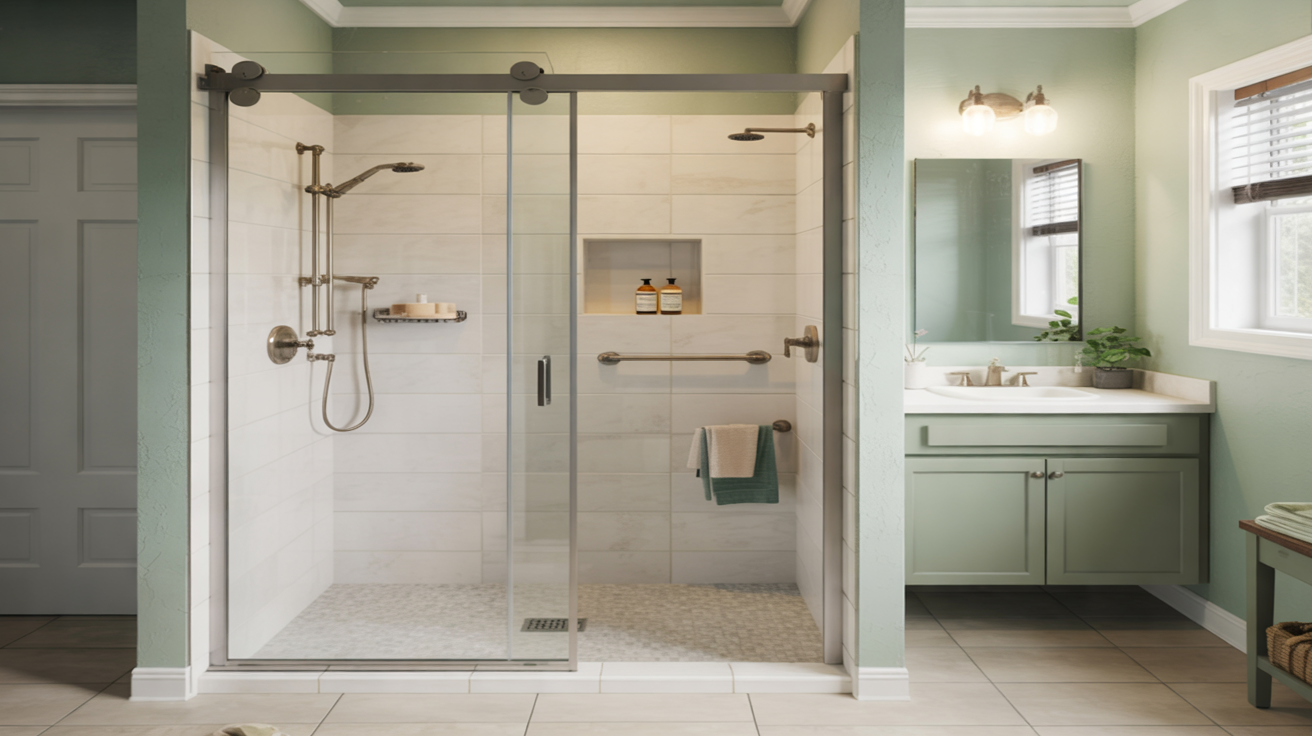
When you replace a shower, the walls and floor are opened up, giving rare access to the plumbing hidden behind them. That makes shower replacement one of the best times to upgrade pipes, valves, and fixtures so your new shower looks great and works reliably for years.
Below are the most important plumbing upgrades to consider during a shower replacement in Palm Bay, along with how to prioritize them and what to discuss with your contractor or plumber.
Why Plan Plumbing Upgrades with Your New Shower
A shower replacement isn’t just cosmetic. The condition and layout of your plumbing can affect water pressure, temperature control, safety, and maintenance needs. Upgrading now can:
- Reduce the risk of leaks and water damage behind new walls
- Improve water pressure and temperature consistency
- Extend the life of your new fixtures
- Help meet current plumbing codes and safety standards
- Support future add-ons like body sprays or a rainfall head
In older Palm Bay homes, some plumbing may be original to the house. Replacing worn or outdated components while everything is open often costs less than tearing into finished walls later.
Key Plumbing Upgrades to Consider
1. Replace Old Supply Lines and Fittings
If your shower still uses older galvanized or corroded copper pipes, this is a good time to replace them with modern materials such as PEX or updated copper. Benefits include:
- Improved water pressure and flow
- Lower risk of pinhole leaks behind walls
- Cleaner water, with less rust or sediment
Your plumber can inspect visible lines for corrosion, buildup, or previous patch repairs and recommend whether a partial or full replacement is best.
2. Upgrade the Shower Valve (Mixing Valve)
The valve is the “control center” of your shower. Replacing an old or basic valve is one of the most useful upgrades you can make. Consider:
- Pressure-balancing valves that reduce sudden temperature changes when someone flushes a toilet or runs a sink.
- Thermostatic valves that let you set a precise temperature and keep it steady.
- Diverter valves if you want multiple showerheads (such as a handheld and a fixed head).
Modern valves are also designed with easy service in mind, so future maintenance can often be done from the trim side without opening walls.
3. Add Shut-Off Valves and Access Panels
Older bathrooms sometimes lack local shut-off valves for the shower. Adding them now allows you to work on the shower plumbing later without turning off water to the whole house.
In some layouts, your contractor can also add an accessible panel on the other side of the shower wall (such as in a closet). This makes it easier to service valves and connections if needed in the future.
4. Improve Drain Lines and Traps
Clog-prone or undersized drains are a common source of frustration. While the old shower is removed, ask about:
- Upgrading to a 2-inch drain line if your current drain is smaller and local code allows or requires it.
- Replacing the P-trap to a new, properly vented trap that resists buildup and odors.
- Checking drain slope to ensure water flows away quickly and doesn’t sit in the pipe.
A properly sized and installed drain is especially important for larger or walk-in showers that move more water.
5. Check and Update Venting
Plumbing vents help drains work quietly and efficiently. If venting is undersized or missing, you might hear gurgling drains or experience slow drainage. During a shower replacement, your plumber can confirm that:
- The shower drain is correctly tied into a vented system
- Any unusual workarounds from past remodels are corrected
- Vent pipes meet current code for size and configuration
6. Prepare for Accessibility and Aging in Place
If you are planning a low-threshold or barrier-free shower now or in the future, plumbing layout matters. Consider:
- Positioning the drain to work with a curbless or low-curb base
- Ensuring slope to drain meets both code and accessibility needs
- Roughing in water lines where future grab bars with hand showers may go
Planning these details now avoids reworking plumbing if mobility needs change later.
7. Support for Luxury and Multi-Function Showers
If you’re dreaming of rainfall heads, handheld sprayers, or body sprays, the plumbing behind the walls must support them. See also luxury shower upgrades, and discuss:
- Water pressure and volume needed for multiple outlets
- Dedicated supply lines for extra fixtures
- Appropriate valve and diverter combinations
Even if you install only a basic setup now, your plumber may be able to rough in extra lines or a compatible valve so you can add features later with less disruption.
8. Energy- and Water-Saving Fixtures
Many water-saving improvements involve plumbing choices. Along with efficient showerheads, consider:
- Modern valves that maintain temperature at lower flow rates
- Balanced line sizing to avoid long waits for hot water
- Checking for hidden leaks in old connections
For more details on fixture choices, see energy-efficient and water-saving shower fixtures.
Prioritizing Plumbing Upgrades: Must-Haves vs. Nice-to-Haves
Not every upgrade has to be done at once. This simple breakdown can help you plan around your budget and schedule.
| Priority | Upgrades | Why Consider It |
|---|---|---|
| Must-have | Leaking or corroded pipes, failing valves, damaged drains, code issues | Protects your new shower investment and prevents water damage. |
| Strongly recommended | New mixing valve, upgraded drain size, new P-trap, added shut-offs | Improves performance and simplifies future repairs. |
| Nice-to-have | Extra supply lines for future fixtures, venting improvements, rough-ins for luxury features | Keeps your options open for future upgrades without opening walls again. |
How Plumbing Upgrades Affect Timeline and Cost
More plumbing work usually means more labor and sometimes permits, which can affect how long your project takes. For an overview of timelines, see how long a shower replacement takes.
Factors that can influence cost and schedule include:
- Access: Is there an accessible wall or crawlspace behind the shower?
- Age of the home: Older homes may require more updates to meet current codes.
- Scope: Simple valve replacement vs. full re-pipe and drain relocation.
- Inspections: Some changes require city or county inspections.
If budget is a concern, you might also want to explore affordable shower remodel financing options and discuss which plumbing items are most urgent with your contractor.
Working with Your Shower Replacement Contractor
Before demolition starts, have a detailed conversation with your contractor or plumber. You can use resources like the step-by-step shower replacement checklist and questions to ask a shower replacement contractor to prepare.
Topics to cover include:
- What existing plumbing conditions they expect based on your home’s age and layout
- Which upgrades they recommend and why
- How plumbing changes will affect the location of the showerhead, controls, and drain
- Any code requirements specific to Palm Bay or surrounding areas
- How they will test for leaks and verify proper function before closing the walls
FAQs About Plumbing Upgrades During Shower Replacement
Do I have to upgrade my plumbing when I replace my shower?
No, but if your pipes, valves, or drains are old, leaky, or not up to code, it is usually far more cost-effective to upgrade them while everything is open. At a minimum, most homeowners replace the shower valve during a remodel.
Will plumbing upgrades extend my shower replacement timeline?
They can, especially if major changes are needed, but many common upgrades (like a new valve or drain) are already part of a typical replacement. Your contractor can estimate the impact on your schedule before work begins.
Can I do plumbing upgrades myself?
Some experienced DIYers handle minor changes, but shower plumbing must meet code and be watertight behind finished surfaces. For most homeowners, using a licensed professional is the safer choice. For more perspective, see DIY vs professional shower replacement.
How do plumbing upgrades affect warranties?
Improper plumbing work can void manufacturer warranties on shower bases, walls, and valves. Make sure any upgrades follow manufacturer instructions and local codes. You can also review shower replacement warranties to understand what is covered.
What’s the first step if I’m considering a shower replacement?
Start by clarifying your goals for layout, accessibility, and features, then speak with a local shower replacement professional. The shower replacement timeline and planning worksheet can help you organize decisions and questions about plumbing before you begin.